



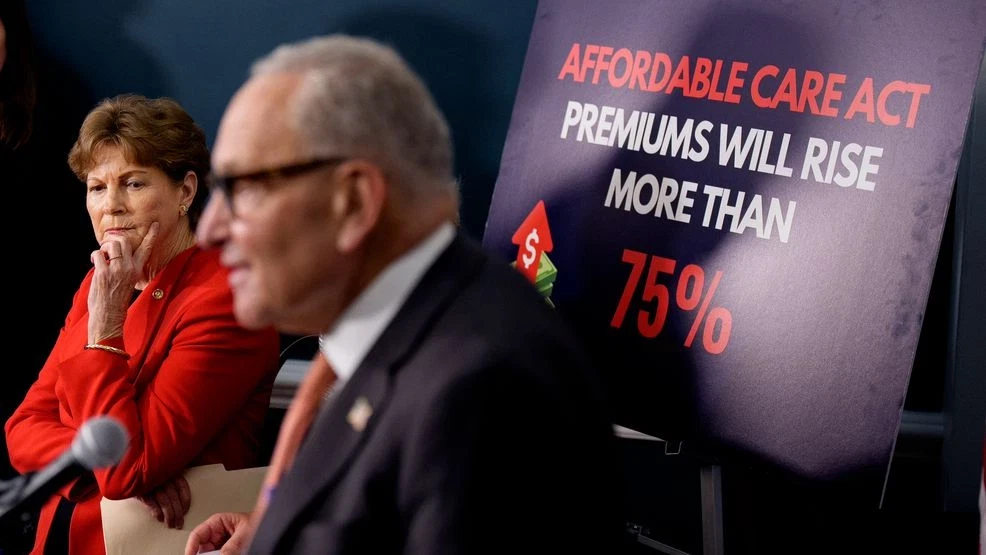
The U.S. Congress failed to extend enhanced Affordable Care Act (ACA) subsidies before the end of 2025, creating uncertainty for millions of Americans. These subsidies help lower the cost of health insurance premiums, especially for middle-income families. Without them, premiums could rise dramatically, making coverage unaffordable for many. The deadlock reflects deep partisan divisions, as Democratic and Republican proposals failed procedural votes in the Senate. The timing is particularly critical because it coincides with open enrollment for 2026 coverage plans. Experts warn that a lapse in subsidies could lead to millions losing insurance and increased financial stress for households relying on ACA coverage.
What Are Enhanced ACA Subsidies?
Enhanced ACA subsidies were expanded under the American Rescue Plan and extended through 2025 to help more Americans afford marketplace insurance. They reduce premiums based on household income, ensuring that individuals and families pay only a reasonable percentage of their earnings for coverage. The subsidies have been crucial for keeping health insurance accessible, particularly for middle-income households that previously struggled with high costs.
Analysts predict that without these subsidies, many Americans could see their premiums double or more, pushing them to drop coverage. The subsidies also help stabilize the insurance market by keeping enrollment levels high, which spreads risk across a larger pool. Their expiration has sparked concern among policymakers, health advocates, and patients who rely on these credits for affordable care. Understanding the function of enhanced subsidies is critical to grasp the stakes of the current congressional deadlock and its potential impact on millions of Americans.
Congressional Deadlock Explained
The deadlock over ACA subsidies stems from partisan disagreements in Congress. In December 2025, the Senate failed to pass either the Democratic plan to extend subsidies for three years or the Republican alternative offering different incentives. Both proposals did not reach the 60 votes required to advance. The House of Representatives, dominated by Republicans, focused on other healthcare priorities, leaving the extension unresolved. Lawmakers disagreed over costs, long-term sustainability, and the scope of federal involvement in healthcare.
As the deadline approached, there was little time for compromise, and procedural hurdles complicated negotiations. This deadlock reflects the broader ideological divide on U.S. healthcare policy, including disagreements over government spending, insurance regulation, and market-based solutions. Without a bipartisan deal, millions of Americans face uncertainty regarding insurance affordability and coverage stability, illustrating how political gridlock directly affects healthcare access and the financial well-being of families.
Impact on Millions of Americans
If the enhanced ACA subsidies expire, around 20 million Americans could face significantly higher insurance premiums. Middle-income families, who previously relied on these subsidies to afford coverage, may struggle to maintain their plans. Higher costs could force some individuals to forgo insurance altogether, increasing the uninsured population. This situation may lead to delayed medical care, worsened health outcomes, and greater financial strain from medical bills.
States that did not expand Medicaid are expected to feel the greatest impact, as many residents in these areas rely solely on ACA marketplace plans. Additionally, hospitals and clinics could see increased uncompensated care, adding pressure to already stretched healthcare systems. The expiration of subsidies threatens not only individual financial stability but also broader public health outcomes, highlighting the importance of timely legislative action to maintain coverage for millions of Americans.
Public Response and Polling Data
Recent polls indicate widespread concern over rising healthcare costs and the potential loss of ACA subsidies. Many Americans view affordable healthcare as a top priority and express frustration with congressional inaction. Public anxiety is particularly high among those directly benefiting from enhanced subsidies, as they fear being priced out of coverage. Polls also suggest that healthcare remains a decisive issue for upcoming elections, influencing voter sentiment in key states.
Citizens are voicing their concerns through social media, advocacy groups, and local events, emphasizing the human impact of the policy deadlock. The public reaction underscores the high stakes involved, showing that legislative decisions on ACA subsidies are not only technical policy matters but also deeply personal issues affecting families’ financial and physical well-being.
Healthcare Providers and Market Reactions
Healthcare providers and insurers are closely monitoring the deadlock, as the potential lapse of ACA subsidies could disrupt insurance markets. Hospitals may face higher levels of uncompensated care as more patients become uninsured, while insurers could experience increased premium volatility due to decreased enrollment. Some states have implemented stopgap measures to reduce market instability, but these are limited without federal support.
Insurance companies are also adjusting their 2026 plan offerings based on uncertainty about subsidy levels, which could further affect premiums and coverage options. Advocacy groups are urging lawmakers to act quickly to prevent a sudden surge in uninsured patients and preserve access to affordable care. The market response illustrates the interconnected nature of subsidies, coverage, and healthcare system stability.
Political Implications and the 2026 Elections
The ACA subsidy deadlock has significant political implications ahead of the 2026 midterm elections. Democrats emphasize the need to maintain affordable coverage and highlight Republican opposition as a threat to millions of Americans. Republicans argue for alternative cost-control measures and fiscal responsibility, positioning themselves as cautious about long-term spending.
Healthcare affordability is emerging as a top voter concern, potentially influencing election outcomes in districts with large numbers of ACA enrollees. The debate reflects broader ideological divides over government involvement in healthcare and could shape party platforms, voter priorities, and campaign messaging. Both parties recognize that the handling of ACA subsidies will have lasting political consequences and may become a defining issue in upcoming campaigns.
What Happens Next: Deadlines and Possible Outcomes
The enhanced ACA subsidies are set to expire at the end of December 2025, coinciding with open enrollment for 2026 coverage. If Congress fails to act, premiums will rise sharply, forcing some individuals to drop insurance. Potential outcomes include short-term extensions, compromise bills, or alternative policy solutions. Lawmakers may return in January 2026 to revisit the issue, but uncertainty remains.
Advocates emphasize the urgency of reaching an agreement to prevent coverage gaps and protect millions of Americans. The coming weeks are critical, as the political and financial consequences of inaction could be severe, affecting both individual families and the broader healthcare system.
International Perspectives on U.S. Healthcare Policy
The U.S. healthcare policy deadlock draws international attention because it contrasts with systems in other developed nations offering universal or heavily subsidized coverage. Global observers highlight the potential human and economic costs of policy uncertainty, noting how instability affects public health outcomes and international perceptions of U.S. governance.
The situation underscores structural challenges in American healthcare, such as reliance on private insurance, partisan gridlock, and debate over government spending. Countries with stable national health systems often use this as a comparison point, showing how timely legislative action can preserve coverage and affordability. The U.S. deadlock serves as a cautionary example of how political divisions can directly impact citizens’ access to care and financial security.
Conclusion
The deadlock over ACA subsidies places millions of Americans at a critical healthcare crossroads. Without legislative action, premiums could rise sharply, coverage may decline, and the uninsured population is likely to increase. The situation reflects deep partisan divisions over healthcare policy and highlights the broader consequences of political gridlock on public health. Lawmakers face pressure to reach a timely compromise that balances affordability, access, and fiscal responsibility. The coming weeks will determine whether millions retain coverage or face higher costs, making this a defining issue for healthcare policy and U.S. political debate. Swift action is crucial to ensure stability for both patients and the insurance market.
FAQs
What happens if ACA subsidies expire in 2026?
If ACA enhanced subsidies expire, millions of Americans could face significantly higher premiums. Many middle-income families may find insurance unaffordable, leading to a rise in the uninsured population and increased financial stress.
How many Americans rely on ACA subsidies?
Approximately 20 million Americans depend on ACA premium tax credits to afford health insurance coverage, making the subsidies critical for maintaining access to care.
Why is Congress deadlocked over ACA subsidies?
Congressional deadlock stems from partisan disagreements. Democrats support extending enhanced subsidies, while Republicans propose alternative approaches, creating a stalemate that prevents timely legislation.